The Evolution of Refrigerators and Child Safety
Many everyday household items serve us faithfully without us pondering their origins or functions. These objects streamline our lives, but we seldom delve into their histories. Consider refrigerators, which children often view as a potential hiding spot during games of hide and seek. Surprisingly, refrigerators weren’t always equipped with the magnetic feature we now take for granted.
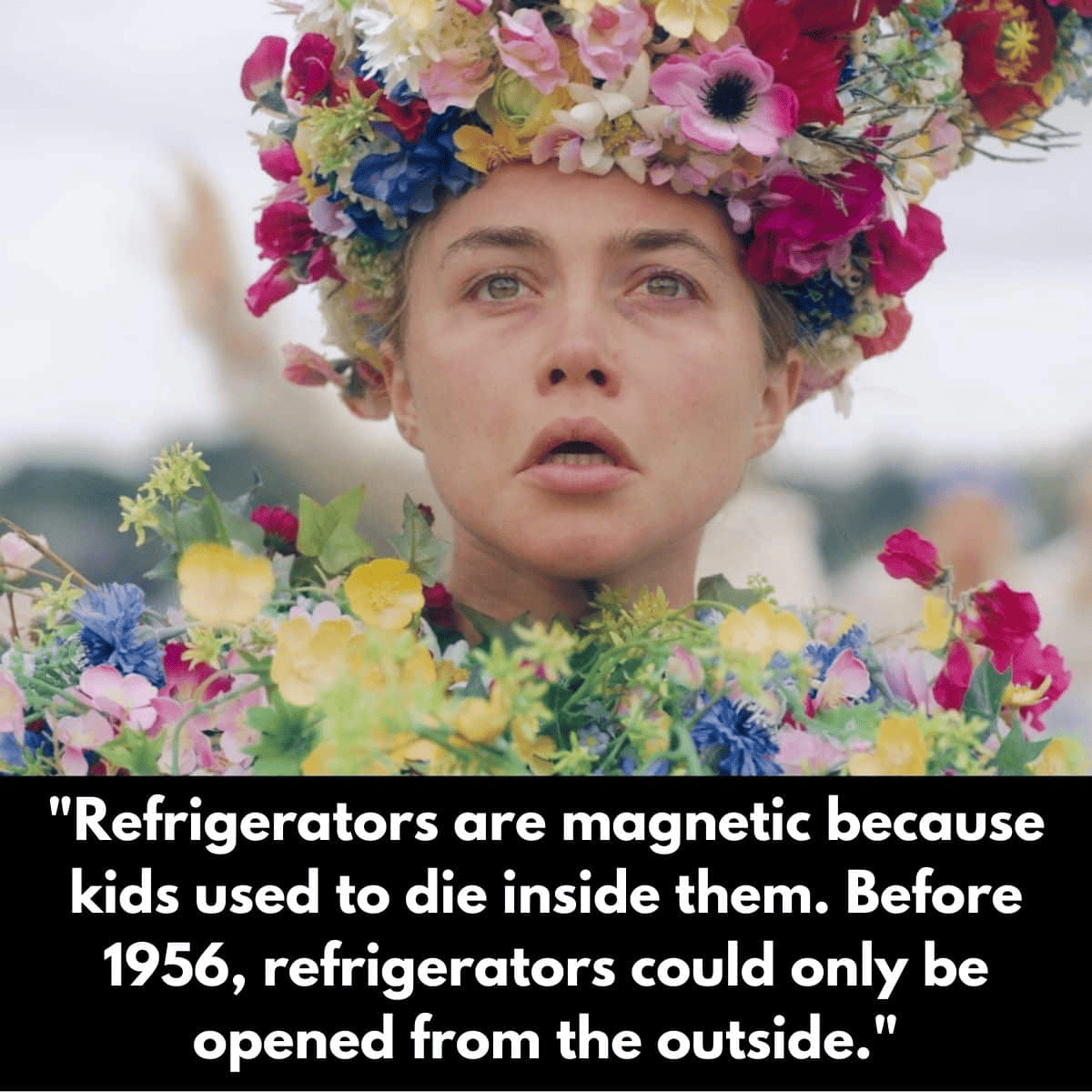
Before 1956, entering a refrigerator meant you were trapped inside until someone opened the door. This posed significant safety concerns, particularly for children. The addition of magnetic seals revolutionized refrigerator design, enhancing both convenience and safety. This revelation sheds light on how innovations in everyday objects can impact our lives.
The Enigma of Brain Activity After Death
The inevitability of death often elicits fear and contemplation. Yet, recent studies have unveiled an intriguing aspect of the human brain’s response to death. Contrary to conventional wisdom, the brain doesn’t immediately cease functioning upon a person’s pronouncement of death. Instead, it persists, enabling the individual to experience thoughts and sensations briefly.
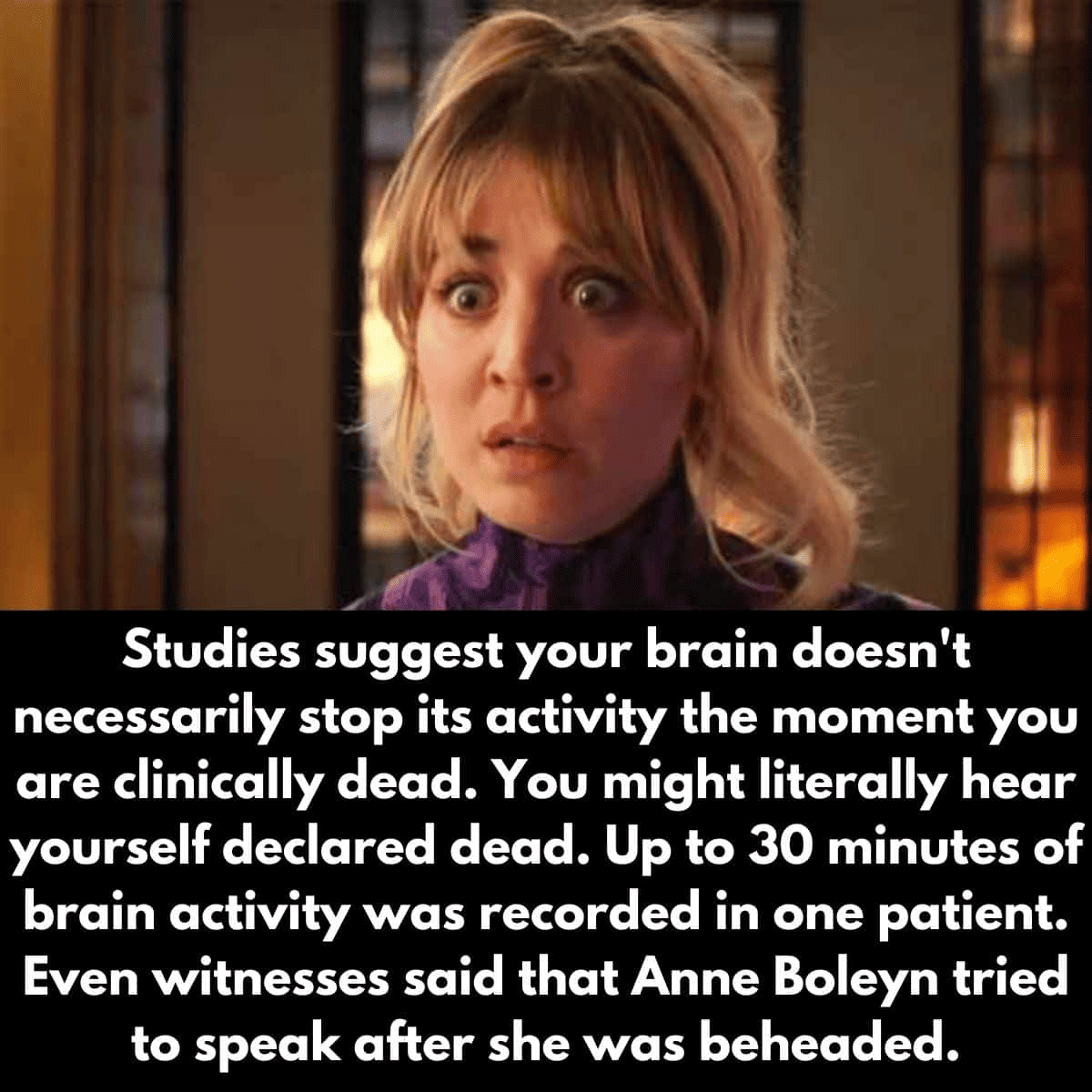
This discovery challenges our understanding of the boundary between life and death, emphasizing the remarkable capabilities of the human brain. It prompts contemplation on the complexities of our consciousness and the mysteries surrounding the end of life.