3. Software and Performance Evaluation
Software
The Redmi Note 13 Pro+ 5G comes pre-installed with MIUI 14 and overlays on the Android 13 operating system. It’s worth noting that this choice might be somewhat disappointing, considering that Xiaomi has already introduced and initiated the rollout of its next-generation HyperOS, which runs on Android 14, on other devices.
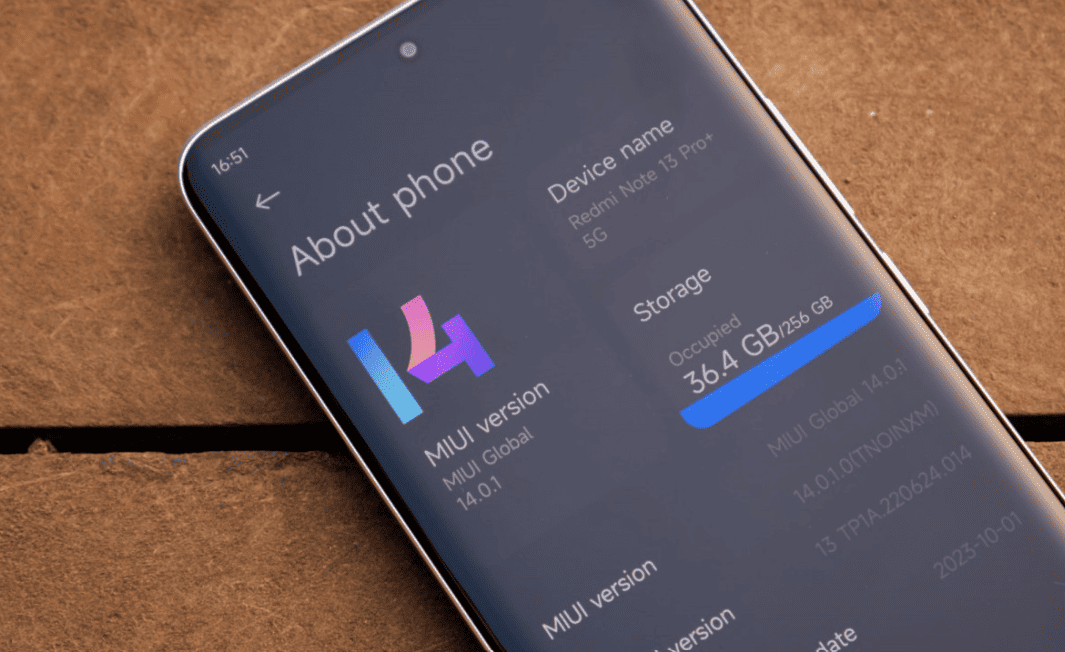
The choice to launch the phone with an older version of Android can be seen as a common tactic employed by manufacturers. It allows them to potentially offer fewer updates in the future. Xiaomi has committed to providing three major Android updates for this device, which implies support up to Android 16 rather than Android 17, and the phone shipped with Android 14 initially. The arrival of the HyperOS update for this device remains uncertain.
Interestingly, the Redmi Note 13 Pro+ 5G and its counterparts in the Redmi Note 13 series mark the end of Xiaomi devices being launched with MIUI. This review may feel more like an exit interview than a standard assessment. However, it’s important to mention that HyperOS is expected to retain some similarities to MIUI regarding appearance, so many of the insights presented here may remain relevant for the next major update.
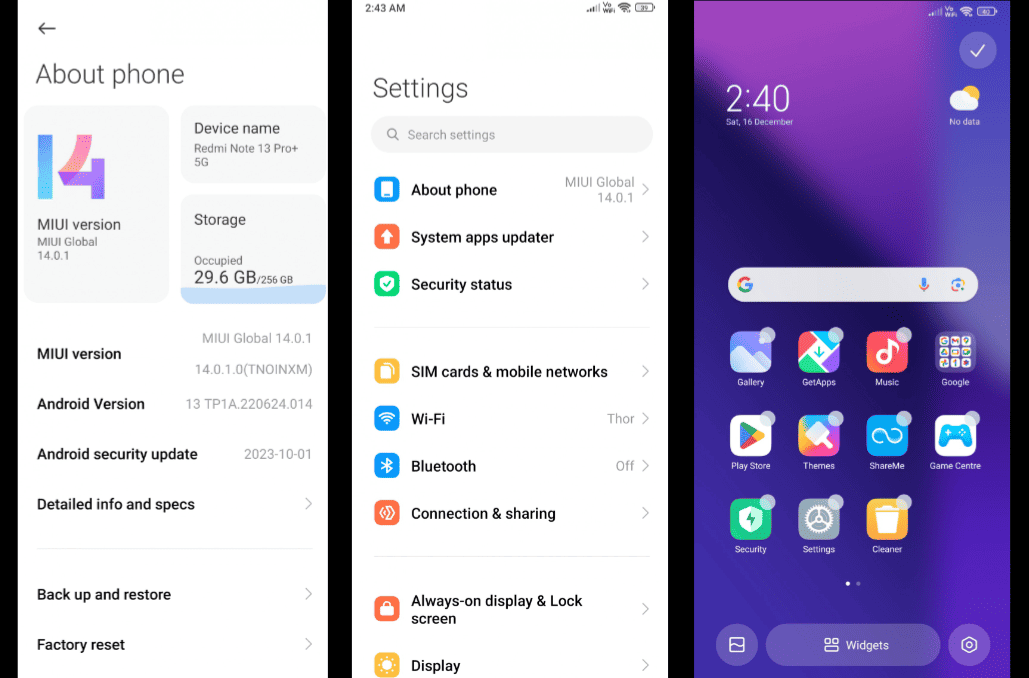
MIUI has long been recognized for its distinctive design, which draws significant inspiration from iOS. This resemblance is more than just coincidental and represents a deliberate choice by Xiaomi. While many competitors who initially followed a similar path have since evolved and diversified their designs, Xiaomi has continued to embrace this style over the years. This approach has led to the adoption of some debatable ideas, such as separate notification and control centers, a somewhat convoluted Settings app, a less user-friendly share sheet, and a requirement for all app icons to conform to a square format by default. The outcome is an interface that departs significantly from the typical Android experience.
However, MIUI has consistently excelled in one department that surpasses iOS and most Android skins from earlier periods: extensive customizability. Users can fine-tune numerous aspects of their experience, allowing them to tailor their devices to their liking. This high degree of customizability often means a solution for nearly every annoyance or preference, minimizing the need for complaints.
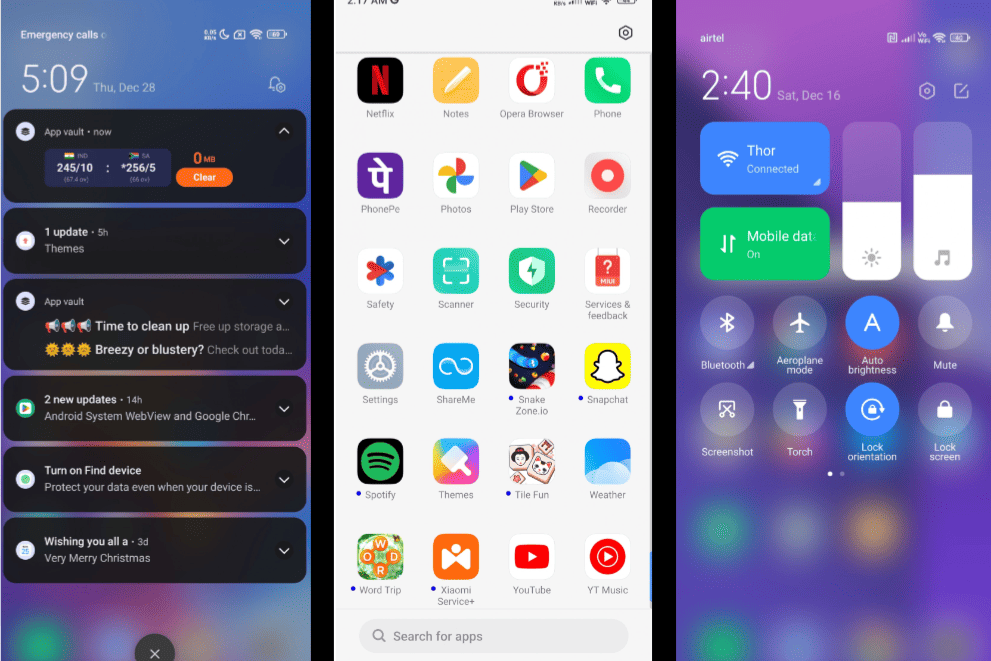
Nonetheless, this level of customizability can also amplify the frustration stemming from certain aspects, like the persistent image sharpening for video, which appears user-hostile and incongruent with the OS’s ethos. Additionally, the design of the Settings app, with its wealth of buried options, can be annoying, much like the experience found on iOS, as most users may never venture deep into its layers to explore these settings.
While Xiaomi’s OS offers extensive customization, it’s marred by the issue of excessive pre-installed apps and services that often cannot be removed or disabled, leading to frustration among users. The presence of duplicate apps like two SMS apps, two file managers, two app stores, two gallery apps, and two browsers lacks a compelling justification. The situation is particularly problematic on Redmi phones, which come loaded with an offensive amount of bloatware, including 18 third-party apps and many games, alongside Xiaomi and Google’s offerings. This level of unwanted software is unwelcome on premium devices and suggests Xiaomi may have overlooked the expectations associated with the price tag of their phones.
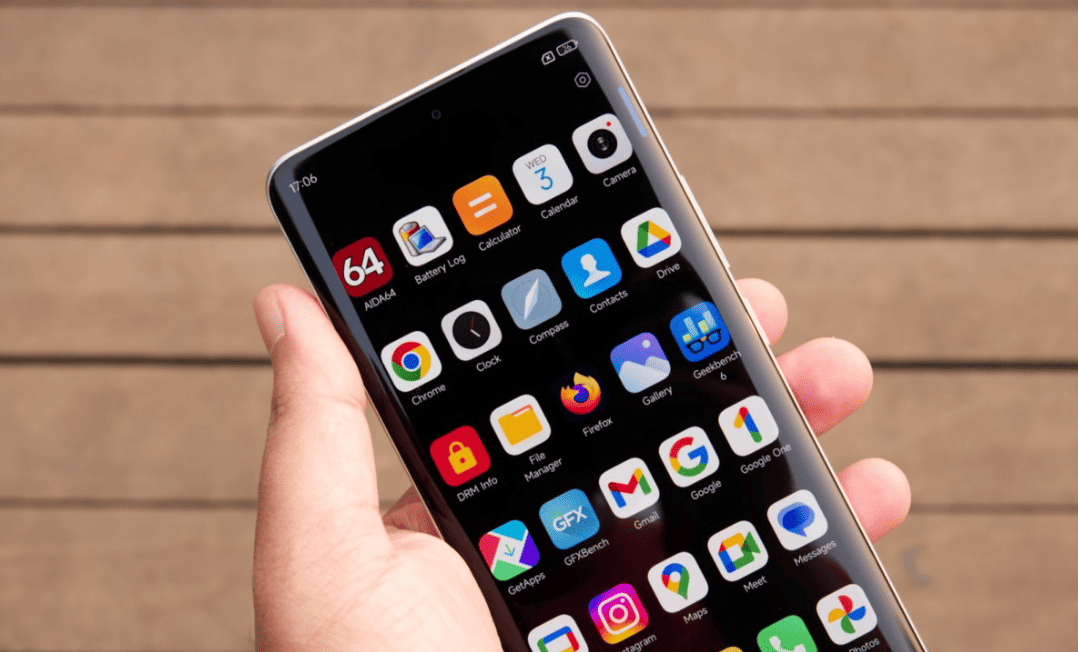
Additionally, it’s important to note that ads persist in many of the first-party apps on Redmi devices, especially in markets like India. To make matters worse, users must actively take steps to disable these ads on each app individually, a process far from what one would expect on a premium device.
Furthermore, there’s a constant barrage of notifications to contend with. Valuable advice for new Xiaomi smartphone users is to promptly navigate to the settings and disable notifications for every single first-party app, or at the very least, for those that allow you to do so, as they tend to inundate users with unwanted notifications. One notable offender is the App Vault feature, which bombards users with a relentless stream of information they neither subscribed to nor have any interest in.
The software aspect continues to be a point of contention for Xiaomi phones. It presents itself as a highly customizable iOS version featuring both Android’s best and worst elements. While it offers extensive customization, it also tends to introduce excessive unwanted features and bloatware to the point where it becomes user-hostile. Some of these choices are particularly irritating, especially when considering the price of these devices. Unfortunately, despite frequent criticism, Xiaomi tends to disregard feedback about its software, even if it impacts the overall user experience, prioritizing its bottom line over user satisfaction.